Vital Factors when Developing an Effective Professional Audio Delivery Solution
Wiki Article
Designing an impactful professional audio broadcast system is essential for any organization that relies on sound to enhance the client experience. This system enables companies to deliver music, announcements, and other audio content to different areas within a location. Fundamental factors in creating a high-performing audio distribution system include an understanding of sound quality, suitable equipment selection, well-planned layout planning, and ongoing maintenance practices. These elements work together to guarantee that the audio system supports the distinct needs of the space and the audience.
Sound quality is one of the most critical aspects of an audio distribution system. Superior sound improves the listening experience for clients and can foster a pleasant atmosphere. Aspects such as audio drivers, audio boosters, and sound behavior all affect in maintaining crisp and balanced sound. Companies should prioritize investing in top-tier speakers that are appropriate for their environment. For example, outdoor spaces might require weather-resistant speakers, while hallways may take advantage of immersive audio solutions. Making sure that all components are technically synchronized and efficiently configured is vital for maximum performance.
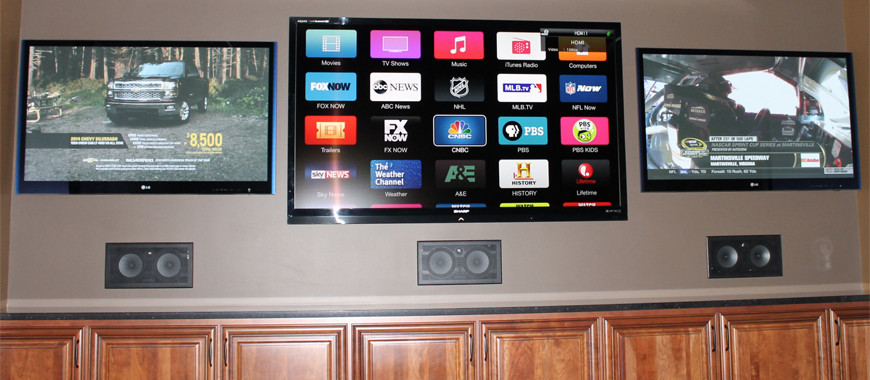
The selection of audio systems plays a important role in the success of the delivery. This requires selecting the right control panels, boosters, and music systems. Companies should determine their particular audio goals before finalizing procurements. For instance, a shop might demand different tools than pro-grade lighting control systems a eatery or banquet facility. Additionally, embracing smart technology can expand performance. Distribution solutions that allow digital monitoring or pairing with tablets can provide adaptability in adjusting audio media and output levels throughout distinct zones.
Designing the layout of the audio sound system is another essential component. A intentionally developed layout maintains that sound is properly delivered across all spaces without any coverage gaps or sound imbalance in certain spots. This includes strategic installation of speakers and understanding of how sound travels in each environment. Considerations such as scale, form, and interior design can influence resonance. Conducting an sound assessment can guide locate the get redirected here best locations for speakers to maintain consistent sound reach throughout the space.
Lastly, regular upkeep is crucial to sustain an audio communication system working efficiently. Proper servicing entails periodic testing on hardware functionality, fixing any faults immediately, and modernizing applications when needed. Training operators on how to operate the system properly can also reduce operational errors and increase the service life of the hardware. By emphasizing ongoing service, businesses can ensure stable audio output and reduce service gaps that could diminish the audience satisfaction.
In summary, designing an high-quality enterprise audio communication system calls for comprehensive consideration of sound quality, equipment selection, installation strategy, and continuous servicing. When these areas are handled professionally, organizations can improve their space with superior audio experiences for their visitors. Committing to a professionally planned audio system not only strengthens communication but also contributes to a positive setting that can elevate guest engagement.